
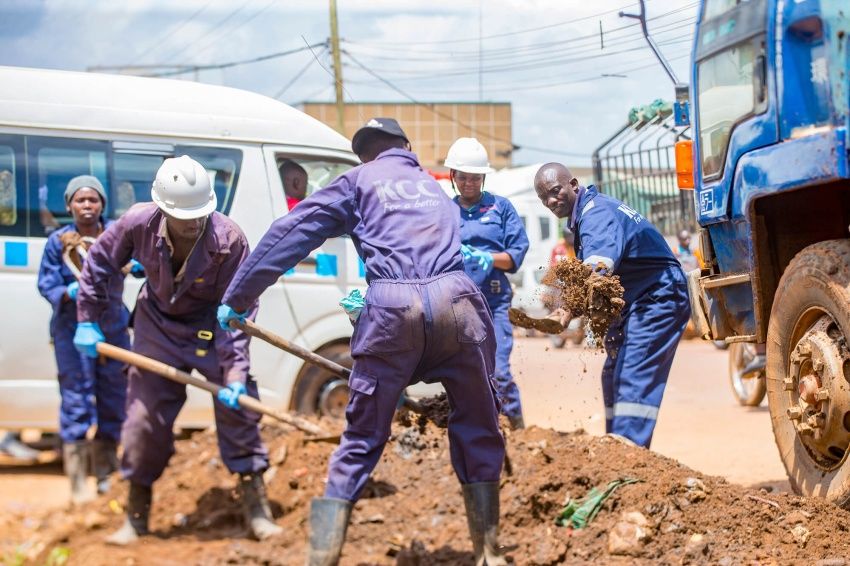
Kampala’s streets, trenches, and dump sites reveal the urgent need for sustainable waste management. Achieving a truly clean city will require coordinated action by citizens, businesses, schools, and authorities alike.
That question crosses many minds each time we navigate littered streets, plastic-filled trenches, or smoky dump sites. But beyond frustration lies a bigger challenge: what does a clean city truly look like, and how can we build one?
A clean city isn’t just about spotless streets; it’s a reflection of its people’s care. It’s a place where waste is responsibly managed, the air is breathable, and every citizen takes pride in their surroundings. A clean city demonstrates unity, discipline, and shared progress.
Imagine Kampala in 2030: vibrant, green, and buzzing with urban life. Morning sunlight reflects off clean streets, no longer flooded after rain.
Brightly colored waste bins line every junction; boda riders move along organized lanes shaded by trees; drainage channels flow freely.
In this future city, waste is not an inconvenience but an opportunity. Organic leftovers from markets and homes are collected for compost or energy.
Plastic and metal waste are recycled into materials that power small businesses and create jobs. Smart waste systems track collection routes, ensuring no neighborhood is left behind.
Achieving this vision requires participation from everyone. Households must sort and dispose of waste responsibly. Businesses need to adopt eco-friendly packaging and recycling practices.
Schools must instill cleanliness as a civic duty, and city authorities must ensure consistent waste collection, invest in recycling infrastructure, and enforce environmental laws.
The rewards are visible and far-reaching. Wetlands recover, birds return, and Lake Victoria gleams clearer than in generations.
Tourists visit a city defined not by chaos but by culture, renewal, and resilience. Kampala becomes more than an urban center; it becomes a model of how environmental responsibility fuels economic growth and social pride.
This vision isn’t fantasy. Cleaner, smarter cities require collaboration: citizens who care, authorities who plan, businesses that invest, and leaders who enforce sustainable change.
That spirit of partnership will take center stage at the Uganda Environment Forum on October 30, 2025, at the Next Conference Centre, Next Media Park.
Under the theme “Sustainable Waste Management in Uganda’s Cities: Policy, Practice & Partnership,” the forum will bring together policymakers, environmental advocates, innovators, and the public to discuss actionable solutions for urban waste management.
In the end, a clean city benefits us all: healthier communities, thriving businesses, and proud citizens. Let’s turn vision into action and make #MyWasteMyResponsibility a way of life for every Ugandan.
